
Is Corfu Worth Visiting? 10 Reasons to Say Yes
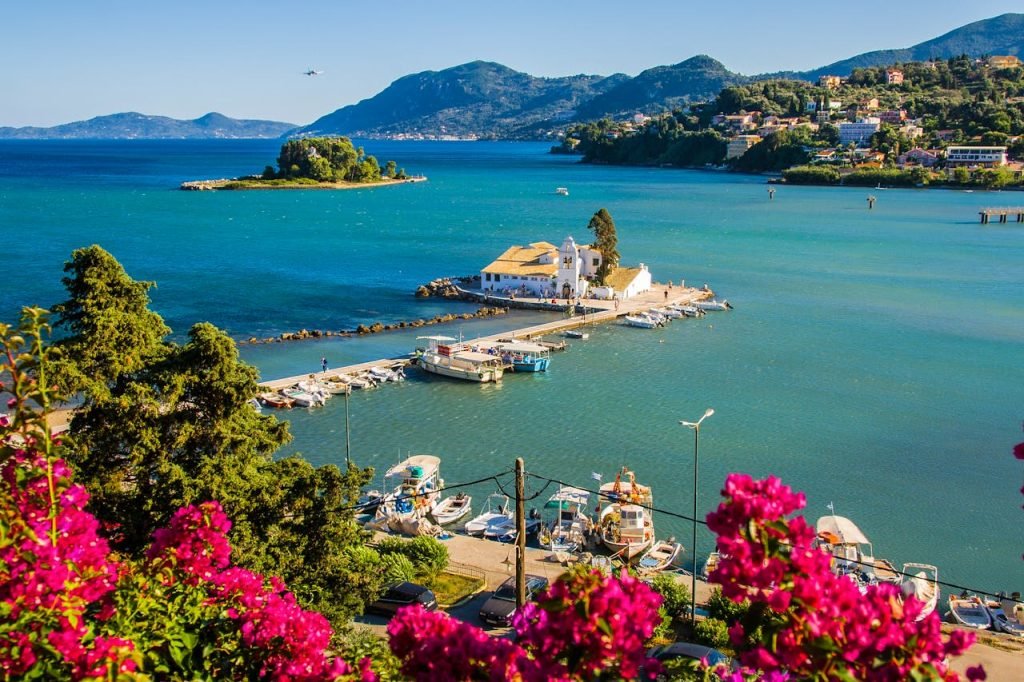
Corfu is one of Greece’s most unique islands. Unlike the dry, rocky landscapes you may expect from the Greek islands, Corfu offers lush greenery, Venetian architecture, crystal-clear waters, and a rich cultural blend shaped by centuries of foreign influence. But is Corfu worth visiting? The short answer is yes—and here are 10 strong reasons why.
-
Stunning Beaches for Every Taste
Corfu offers a wide variety of beaches, from sandy shores to dramatic rocky coves. Whether you prefer organized beaches with beach bars or quiet, hidden spots, you’ll find exactly what you’re looking for.
Popular beaches include:
- Paleokastritsa for breathtaking scenery
- Glyfada for golden sand and sunsets
- Sidari for unique rock formations
The island’s coastline is diverse, making it perfect for both relaxation and exploration.
-
Rich History and Cultural Heritage
Corfu stands out from other Greek islands due to its strong Venetian, French, and British influences. This is especially visible in its architecture and traditions.
The Old Town of Corfu is a UNESCO World Heritage Site, filled with:
- Narrow alleys (kantounia)
- Historic fortresses
- Elegant squares
Walking through the town feels like stepping into a different era.
-
Lush Green Landscapes
Unlike many Greek islands, Corfu is incredibly green. Olive groves, cypress trees, and rolling hills dominate the landscape.
Lush and Diverse Natural Landscapes
One of the first things that sets Corfu apart from other Greek islands is its greenery. Thanks to its northern location and higher rainfall during the winter months, the island is covered in olive trees, cypress forests, and rolling hills. This creates a striking contrast between deep green landscapes and the bright blue Ionian Sea. Areas like Paleokastritsa are especially impressive, where steep cliffs drop into turquoise bays, forming one of the most scenic coastlines in Greece. Beyond the coast, the inland countryside offers peaceful villages and panoramic views that often feel completely untouched.
This makes the island ideal for:
- Nature lovers
- Hiking enthusiasts
- Scenic drives
The contrast between green mountains and blue sea is simply unforgettable.
-
Incredible Food and Local Cuisine
Corfiot cuisine blends Greek and Italian influences, offering unique flavors you won’t find elsewhere.
Must-try dishes include:
- Sofrito (veal in white wine sauce)
- Pastitsada (spiced meat with pasta)
- Bourdeto (spicy fish stew)
Fresh seafood and local wines elevate the dining experience even further.
-
Perfect for All Types of Travelers
Corfu is incredibly versatile. Whether you’re traveling as a couple, with friends, or as a family, the island caters to all needs.
- Families enjoy safe beaches and activities
- Couples find romantic spots and sunsets
- Groups benefit from nightlife and beach bars
It’s a destination that adapts to your travel style.
-
Vibrant Nightlife and Entertainment
If you’re looking for fun after sunset, Corfu won’t disappoint.
Areas like:
- Kavos (for party lovers)
- Dassia and Ipsos (balanced nightlife)
offer a mix of bars, clubs, and live music venues.
At the same time, quieter villages provide a more relaxed evening atmosphere.
-
Easy Accessibility
Corfu is one of the most accessible Greek islands.
- Direct international flights
- Frequent ferries from mainland Greece
- Well-developed road network
This makes it an easy destination for both short getaways and longer vacations.
-
Unique Attractions and Landmarks
Corfu offers more than just beaches. Some highlights include:
- Achilleion Palace, once home to Empress Elisabeth of Austria
- Old and New Fortresses in Corfu Town
- Canal d’Amour, a natural rock formation with legends attached
There’s always something new to discover.
-
Great Value for Money
Compared to more expensive Greek islands like Mykonos or Santorini, Corfu offers excellent value.
You can find:
- Affordable accommodation
- Budget-friendly dining
- Activities for all price ranges
This makes it ideal for travelers who want quality without overspending.
-
Authentic Greek Experience with a Twist
Corfu combines traditional Greek charm with European elegance. The mix of cultures creates a unique atmosphere that feels both familiar and different.
From local festivals to everyday life, the island offers a genuine experience that goes beyond typical tourist destinations.
Check 7 more:
- Genuine Hospitality and Local Warmth
Corfu is not only beautiful—it also feels welcoming. The locals are known for their friendliness and openness, often going beyond basic hospitality. Whether you’re dining at a small taverna or asking for directions, you’ll likely experience a personal connection that makes your trip more meaningful. Many visitors appreciate how easy it is to interact with locals, learn about the island, and discover hidden spots that are not listed in guidebooks.
2. A Unique Culinary Experience
Food plays a major role in the Corfu experience. The island’s cuisine blends traditional Greek flavors with Venetian and Italian influences, resulting in dishes that are both familiar and unique. Family-run tavernas are the best places to eat, where recipes have been passed down for generations. Meals are often simple but rich in flavor, using fresh ingredients like olive oil, herbs, seafood, and local produce. From hearty dishes like sofrito and pastitsada to lighter options like Greek salad and baked feta, every meal feels authentic. Don’t forget to try local specialties like kumquat liqueur for a truly Corfiot touch.
3. A Destination That Feels Less Overhyped
While Corfu is certainly popular, it has managed to avoid the overwhelming crowds seen in some of Greece’s most famous islands. This makes it a great choice for travelers who want a balance between vibrant tourism and peaceful exploration. Outside of peak months like July and August, the island offers a more relaxed atmosphere. Visiting in June or September allows you to enjoy the same stunning locations with fewer people, making the experience more enjoyable and authentic.
4. A Wide Variety of Beaches
Corfu’s coastline is incredibly diverse, offering something for every type of traveler. You’ll find long sandy beaches perfect for relaxing, as well as small, secluded coves surrounded by cliffs for those seeking privacy. What makes Corfu’s beaches truly special is the combination of lush greenery and clear blue waters. This natural contrast creates a setting that feels almost tropical. With so many options available, you can easily explore a different beach every day and still have more to discover.
5. Favorable Weather for Most of the Year
Corfu enjoys a Mediterranean climate with warm summers and mild shoulder seasons. From late spring to early autumn, the weather is ideal for swimming, sightseeing, and outdoor activities. June and September are particularly popular because they offer high temperatures without the intensity of peak season crowds. While the island does experience rainfall in the winter months, this is what contributes to its lush environment. For travelers seeking sunshine and comfortable conditions, the summer period is the best time to visit.
6. Rich History and Cultural Depth
Corfu’s history is one of its most fascinating aspects. Over the centuries, the island has been influenced by various cultures, including the Venetians, French, and British. This blend is visible in its architecture, traditions, and overall atmosphere. Corfu Town, a UNESCO World Heritage Site, is filled with elegant buildings, narrow alleys, and historic landmarks. Beyond the town, sites like Angelokastro and old fortresses offer insight into the island’s past. Exploring Corfu is not just about relaxation—it’s also a journey through history.
7. Endless Activities Beyond the Beach
While Corfu is known for its beaches, there is much more to do than simply relax by the sea. The island offers a wide range of activities for different interests. You can hike through scenic trails, explore traditional villages, visit museums, or try water sports along the coast. Food and wine experiences are also a big part of the island’s appeal, allowing visitors to connect with local culture in a deeper way. Whether you prefer adventure or relaxation, Corfu provides plenty of opportunities to create a well-rounded travel experience.
Conclusion
So, is Corfu worth visiting? Absolutely. With its stunning beaches, rich history, lush landscapes, and diverse experiences, Corfu is one of the most complete destinations in Greece.
Whether you’re looking for relaxation, adventure, culture, or nightlife, Corfu delivers on all fronts.
FAQ
Is Corfu better than other Greek islands?
It depends on what you’re looking for. Corfu stands out for its greenery, history, and variety, making it one of the most balanced destinations.
How many days do you need in Corfu?
Ideally, 5–7 days to explore beaches, villages, and attractions comfortably.
Is Corfu expensive?
No, it offers options for all budgets and is generally more affordable than luxury-focused islands.
When is the best time to visit Corfu?
May to October is ideal, with June and September offering the best balance between weather and crowds.
Is Corfu good for families?
Yes, it’s one of the most family-friendly Greek islands with safe beaches and many activities.
Do you need a car in Corfu?
It’s highly recommended if you want to explore the island fully and discover hidden spots.
